
10 Ways To Personalise Your Ceremony
As an independent celebrant, one of the questions I hear most often is: “How can we make our ceremony feel more like us?”
For many couples, the ceremony is the heart of the day. It’s the moment where meaning, emotion, commitment and identity all come together. And yet, it’s often the most overlooked part of the celebration — sometimes treated as a box-ticking exercise rather than an opportunity for deep personal expression.
Whether you’re planning a wedding, a vow renewal, or a commitment ceremony, the beauty of working with an independent celebrant is freedom. Freedom from rigid scripts. Freedom from one-size-fits-all wording. Freedom to honour who you are, where you’ve come from, and what truly matters to you.
Unlike a registrar-led ceremony, which is bound by strict legal wording, time limits and venue rules, a celebrant-led ceremony can be shaped entirely around you. Your story. Your values. Your culture. Your beliefs — or lack of them. Your family. Your humour. Your love.
Below are 10 meaningful ways to personalise your ceremony, with ideas that work beautifully for both weddings and vow renewals, and that are inclusive of all cultures, identities, faiths and family structures.
1. Tell Your Story — Not a Generic Love Story
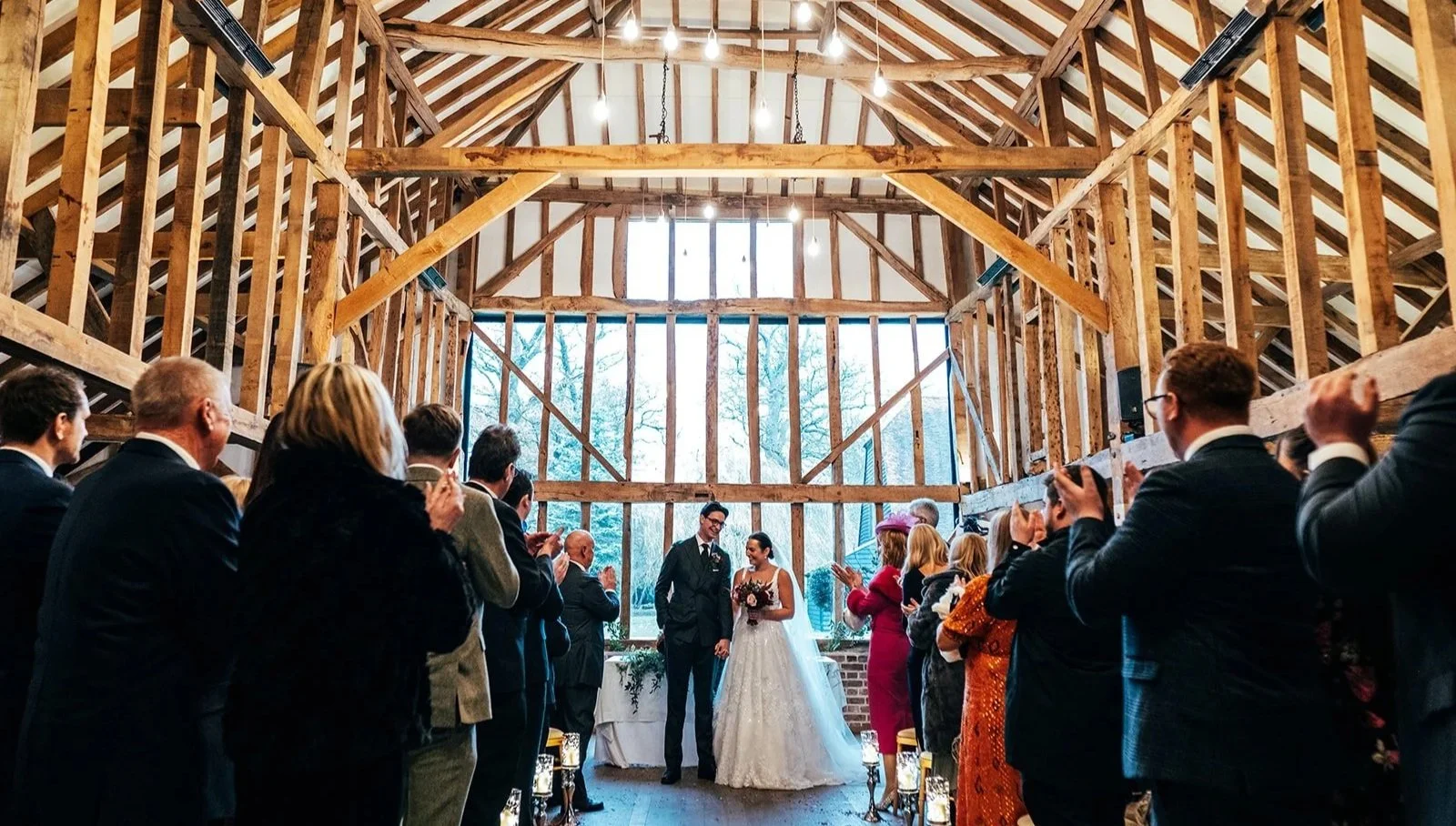
Every relationship has a story. Not a fairytale template, but a real one — full of chance meetings, long-distance phases, blended families, grief, joy, resilience, laughter and growth.
One of the biggest differences between a celebrant-led ceremony and a registrar-led ceremony is storytelling. Registrars are not permitted to personalise your ceremony with your journey as a couple. As an independent celebrant, I can.
Your ceremony can include:
How you met (including the messy, funny or unexpected bits)
What drew you to each other
The challenges you’ve overcome together
What makes your relationship work
How your love has evolved over time
For vow renewals, this can be especially powerful — reflecting not just on where you started, but on the life you’ve built since.
Storytelling turns your ceremony into something guests recognise. They nod, laugh, tear up and think, “That is so them.” It transforms the ceremony from something that happens to you into something that belongs to you.
2. Write (or Shape) Your Own Vows
Personal vows are one of the most impactful ways to personalise your ceremony.
Unlike registrar ceremonies — where vows must follow a set legal structure — celebrant ceremonies allow complete flexibility. You can:
Write entirely bespoke vows
Speak from the heart in your own words
Include humour, promises, memories or future hopes
Keep things simple and understated
Or go poetic and expressive
If the idea of writing vows feels overwhelming, a celebrant can guide you with prompts, structure and editing, ensuring your vows feel authentic rather than performative.
For vow renewals, vows can look different again. They might focus less on promises and more on:
Gratitude
Recommitment
Acknowledging growth and change
Honouring shared history
There is no “right” tone — emotional, light-hearted, spiritual, pragmatic — only what feels true to you.
3. Include Rituals That Reflect Your Beliefs (or Create Your Own)
Rituals can be a beautiful way to mark transition and meaning — whether they come from faith traditions, cultural heritage, or are completely modern and symbolic.
Because independent celebrants are not tied to a single belief system, your ceremony can include:
Cultural rituals (from one or both backgrounds)
Interfaith elements
Spiritual symbolism without religious doctrine
Secular or nature-based rituals
Brand-new rituals created just for you
Some popular inclusive rituals include:
Handfasting
Unity candles
Sand blending
Ring warming
Tree planting
Stone or pebble ceremonies
Time capsule rituals
You can also adapt traditional rituals so they align with your values — for example, removing gendered language, reframing religious symbolism, or combining multiple cultural elements respectfully.
What matters is intention, not tradition for tradition’s sake.
4. Use Language That Truly Represents You
Language matters.
Many couples don’t realise how much traditional ceremony wording can feel outdated, gendered or misaligned until they hear it spoken aloud.
With a celebrant-led ceremony, every word can be chosen intentionally. That includes:
Non-gendered or inclusive language
Replacing “husband and wife” with terms that feel right to you
Removing references to ownership, hierarchy or obligation
Honouring LGBTQIA+ identities
Reflecting modern partnership values
This is especially important for couples who:
Don’t identify with traditional gender roles
Are marrying later in life
Are entering second marriages
Are part of blended families
Are choosing commitment without legal marriage
Your ceremony should sound like you speaking, not like something borrowed from another century.
5. Involve Your Loved Ones (in Meaningful Ways)
Your ceremony doesn’t have to be a performance — it can be a shared experience.
As an independent celebrant, I can help you include family and friends in ways that feel intentional rather than tokenistic. This might look like:
Loved ones sharing readings or blessings
Children being involved through rituals or words
Parents or elders offering reflections
Friends sharing a short memory or wish
Community acknowledgements
For vow renewals, involving children, grandchildren or chosen family can be deeply moving — acknowledging that your relationship exists within a wider web of love.
And importantly, involvement is always optional. Personalisation also means knowing when not to include others.
6. Honour Your Cultural Heritage (One or Many)
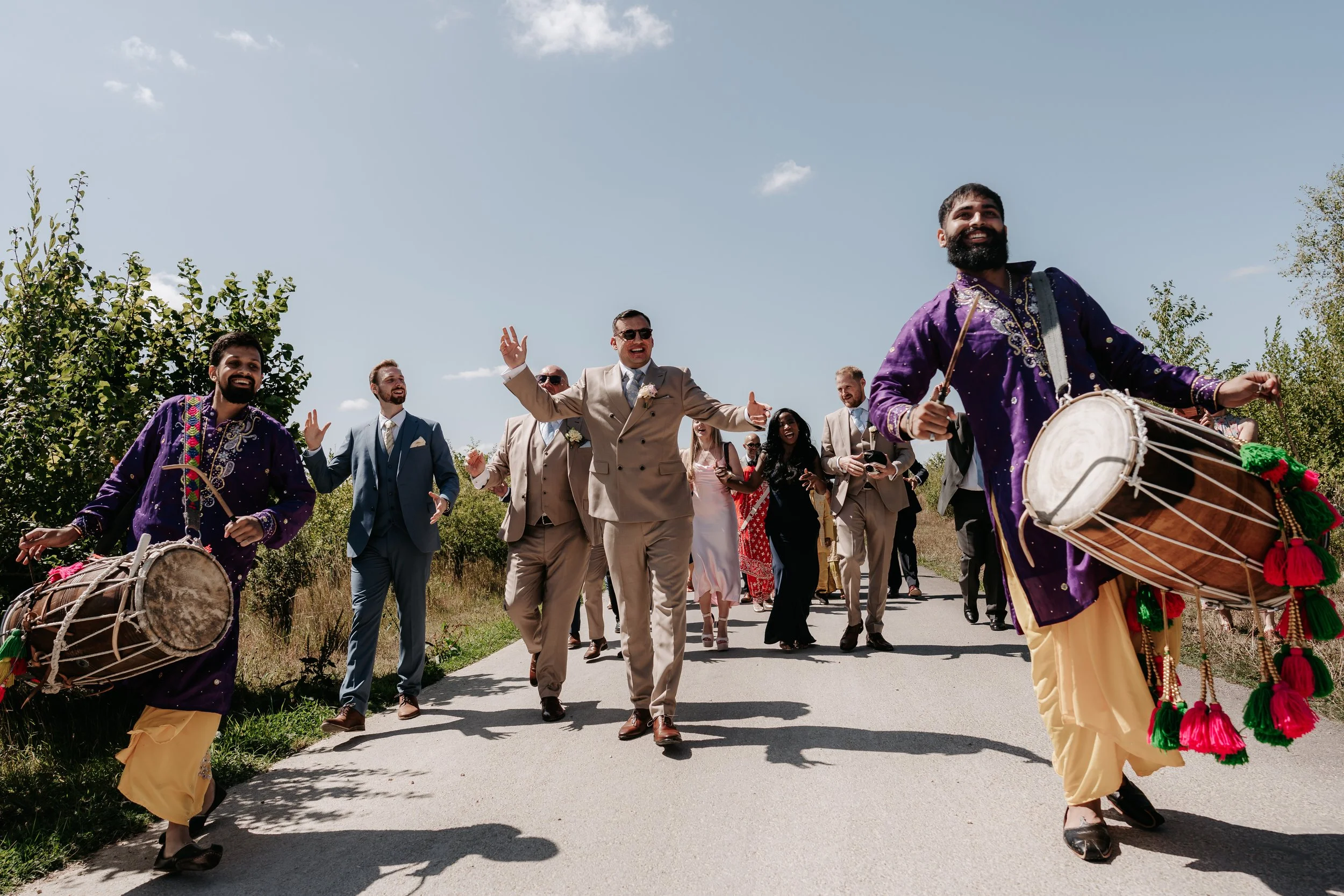
Dhol Drummers marking the groom’s baraat (procession)
Many couples today come from different cultural backgrounds — or from cultures that don’t neatly fit into Western wedding norms.
A celebrant-led ceremony allows space to:
Honour one culture fully
Blend multiple cultures respectfully
Adapt traditions so they fit your reality
Include language, music or symbolism from your heritage
This is especially meaningful for couples who:
Are navigating intercultural or interracial relationships
Want to honour ancestry without rigid religious frameworks
Feel unseen by traditional wedding formats
As a fully inclusive celebrant, my role is to listen, learn and collaborate — ensuring cultural elements are honoured with respect, not reduced to performance.
7. Choose Music With Meaning (Not Just Background Noise)
Music is one of the most powerful emotional tools in a ceremony — yet it’s often chosen last.
With a celebrant-led ceremony, music can be:
Played live or recorded
Integrated into the structure of the ceremony
Introduced with context or meaning
You might choose music that:
Reflects your culture or faith
Marks key moments in your journey
Includes languages meaningful to you
Breaks tradition entirely
For vow renewals, music can evoke nostalgia, shared history or resilience — reminding everyone present of the life you’ve already lived together.
8. Acknowledge the Reality of Life (Not Just the Romance)
Love isn’t just romance — it’s partnership, grief, compromise, healing and growth.
One of the most profound ways to personalise a ceremony is by allowing space for truth.
That might include:
Acknowledging loved ones who are no longer present
Recognising past challenges
Honouring second chances
Naming the importance of community support
Registrars are limited in their ability to include these acknowledgements. Celebrant ceremonies can hold them gently and respectfully — without dampening joy.
For vow renewals in particular, this honesty often resonates deeply with guests, because it reflects lived experience rather than idealised romance.
9. Choose Your Setting — and Let It Shape the Ceremony
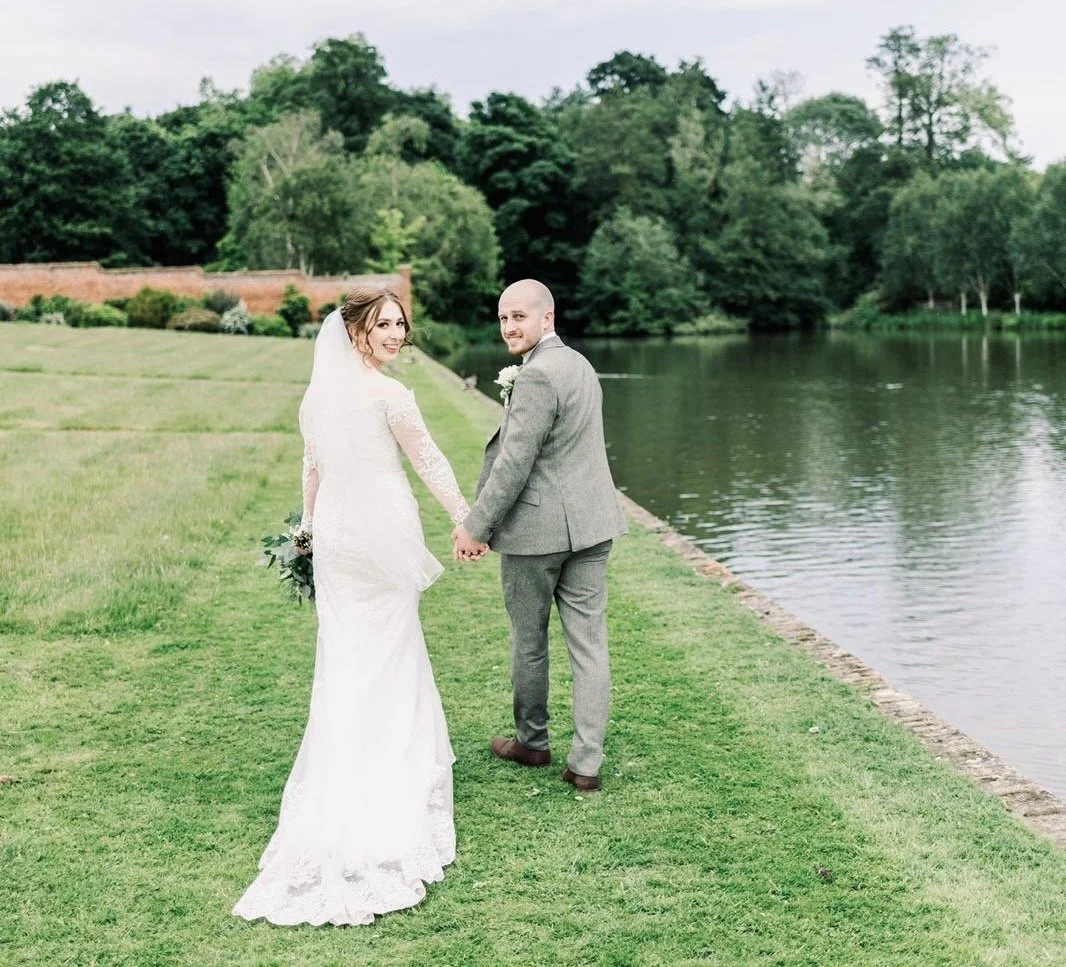
Independent celebrants are not restricted to licensed venues. This opens up enormous creative and emotional possibilities.
You can marry or renew your vows:
Outdoors
At home
In meaningful locations
In nature
At non-traditional venues
The setting itself can become part of the ceremony — acknowledged through words, ritual or symbolism.
This freedom allows couples to prioritise meaning over formality, and comfort over convention.
10. Make It Yours — Even If It Breaks the “Rules”
Perhaps the most important way to personalise your ceremony is to let go of how it’s supposed to look.
There is no requirement for:
A specific order
Traditional roles
Formal language
Religious references
Lengthy scripts
Your ceremony can be:
Short or expansive
Quiet or celebratory
Serious or playful
Intimate or communal
As an independent celebrant, my role is not to impose structure — but to support meaning. To help you create a ceremony that feels grounding, inclusive and true.
Why Choose an Independent Celebrant?
Ultimately, personalisation isn’t about adding extras. It’s about intention.
If you want a ceremony that:
Reflects your identity
Honours your beliefs (or non-beliefs)
Includes your story
Respects your culture
Feels emotionally resonant
Then a celebrant-led ceremony offers possibilities that simply aren’t available within the constraints of a registrar-led service.
Your ceremony can be the part of the day people remember most — not because it followed tradition, but because it felt real.
If you’re planning a wedding or vow renewal and want something deeply personal, inclusive and meaningful, working with an independent celebrant allows you to create a ceremony that truly belongs to you.